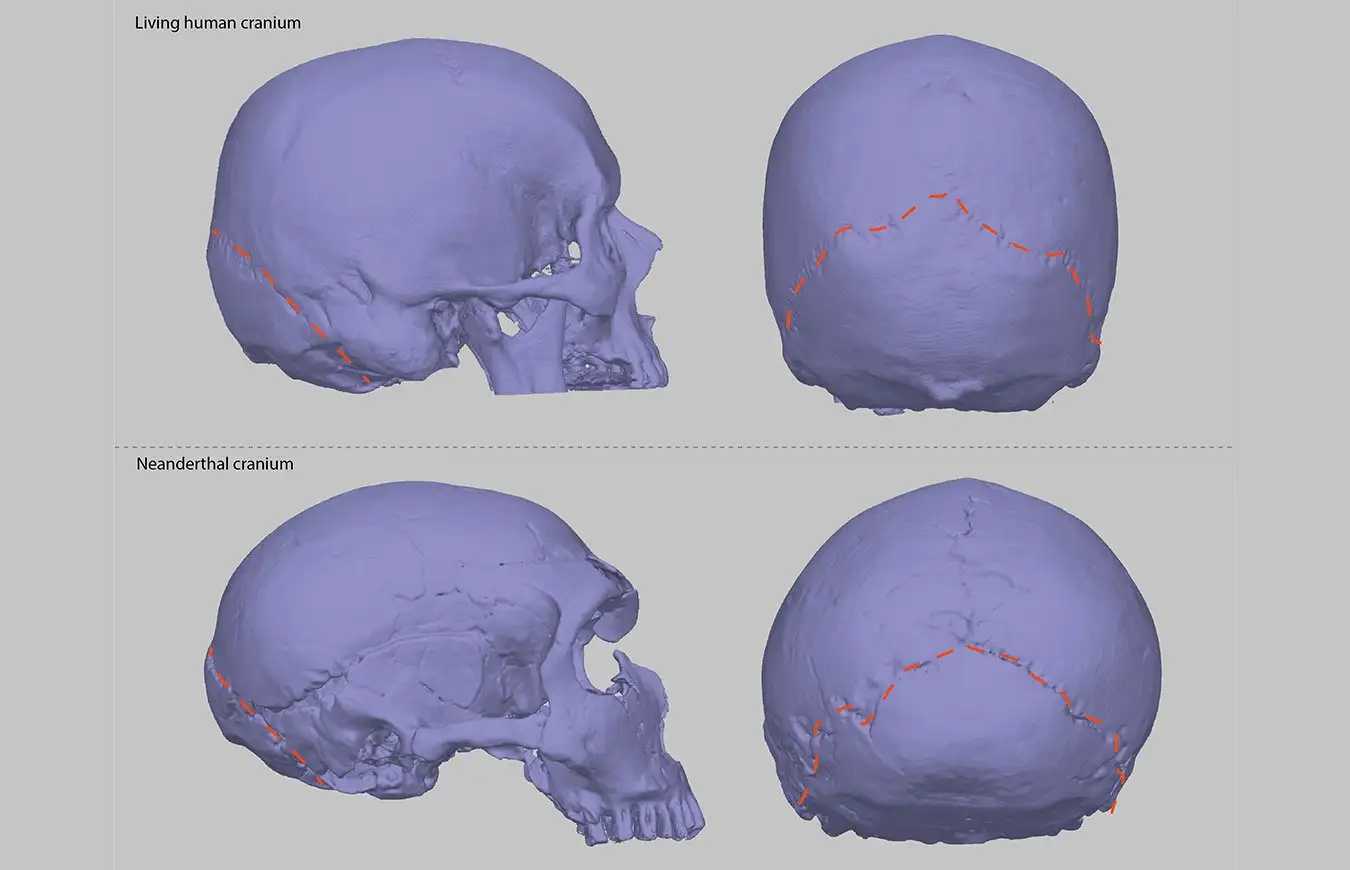
People from East Asian countries have approximately 20 % more Neanderthal DNA than Western Europeans, and these differences in levels of interbreeding with Neanderthals caused certain neurological differences observed today [
16].
A recent study conducted by Park & Huang [
30] showed evidence of cultural differences between Westerners and East Asians, resting in differences in areas deep in the brain. Biologically, White American adults showed increased activation in areas related to language and reasoning, such as Wernicke’s and Broca’s areas, whereas East Asians presented stronger activity in perceptual regions, such as the visual-premotor association area [
31]. Similarly, European brains have to work harder at relative judgment, whereas East Asian brains find absolute judgments more challenging [
32]. In addition, adults from Western cultures process information analytically by focusing on key features, whereas adults from the East process information in a more holistic manner [
33]. One of the psychologists who conducted that study states that Westerners look at the focal object more rapidly and spend more time looking at it, whereas Chinese individuals have more saccades, which means that they move their eyes more, particularly back and forth between the object and the background [
33].
Furthermore, Neanderthals were less aggressive and more “autistic” than
H. sapiens. Genes related to hyperactivity and aggression are, in fact, only found in
H. sapiens. Asians and Pacific Islanders present less symptoms linked to hyperactivity and aggressiveness, such as attention deficit hyperactivity disorder (ADHD), and East Asians score the lowest in terms of aggressive behavior. In the United States, both immigrants of East Asian origins and mainland Asians show lower crime rates compared with Black and White populations [
34].